Lesson Plan: Designing Ethical AI Robots
Unit Theme: Robotics, AI, and Responsible Technology
Grade Level: Middle School (6–8)
Length: 2–3 class periods
Framework: Design Thinking + Makerspace
Essential Question:
How can we design robots that help people while making ethical decisions?
-
Objectives
Students will:
* Understand how robots use sensors and AI
* Identify ways robots can assist people
* Use the design process to design a robot solution
* Consider ethical implications of automation
-
Key Concepts
Robotics components:
* Sensors (camera, distance, touch)
* Motors
* Microcontrollers
* Programming
AI in robotics:
* Object recognition
* Decision making
* Navigation
Ethics:
* Robots replacing jobs
* Privacy concerns
* Safety and accountability
-
Materials (Makerspace)
Possible robotics platforms:
* Micro:bit robots
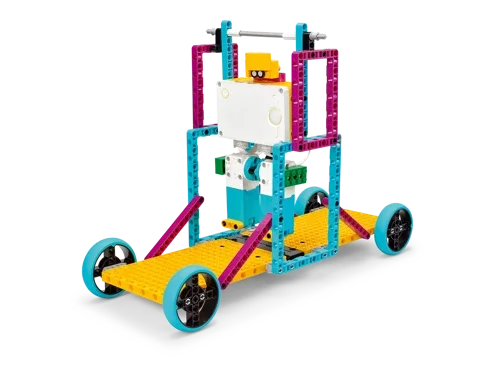
* LEGO SPIKE / LEGO Robotics
* Arduino robots
* cardboard + simple motors
* craft materials
Additional supplies:
* cardboard
* markers
* wheels
* sensors
* LEDs
Lesson Structure Using the Design Process
1. Empathize
Scenario Discussion
Students explore real-world situations where robots assist humans:
Examples:
hospital delivery robots
disaster rescue robots
warehouse robots
agricultural robots
Ask students:
Who benefits from these robots?
What problems do they solve?
What risks might they create?
Students identify real human needs.
2. Define
Students write a problem statement.
Examples:
Rescue teams need robots that can search dangerous areas safely.
Other possible problems:
helping elderly people
cleaning pollution
assisting farmers
delivering supplies
Each team selects a problem to solve with robotics.
3. Ideate
Students brainstorm possible robot designs.
Encourage them to consider:
Robot abilities:
detect objects
move around obstacles
carry items
communicate warnings
Students sketch 3 possible robot ideas.
Example robots:
disaster rescue robot
recycling sorting robot
hospital delivery robot
ocean cleanup robot
4. Prototype (Makerspace)
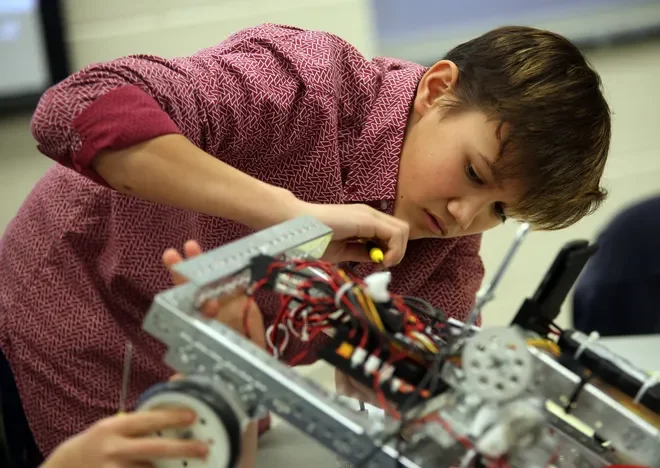
Students build a robot prototype or model.
Two possible approaches:
Functional Robot
Using LEGO / Micro:bit / Arduino.
Example functions:
move forward
detect obstacle
pick up object
Concept Prototype
If robotics kits are limited:
Students build a cardboard robot model and diagram how sensors and AI would work.
Example features:
ultrasonic sensor for obstacle detection
camera for object recognition
AI decision system
Students label components on the prototype.
5. Test & Improve
Students test their robots with a challenge scenario.
Example:
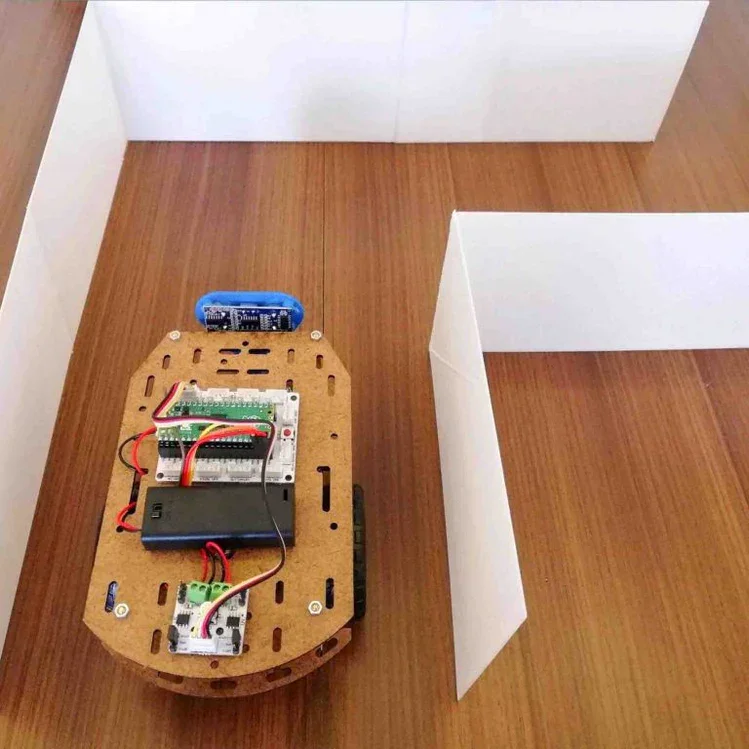
Rescue robot must navigate a maze and locate a “victim”.
Teams evaluate:
Did the robot solve the problem?
What improvements are needed?
Students revise designs.
Ethics Discussion
Students explore ethical questions about robotics.
Discussion prompts:
Should robots replace dangerous jobs?
Who is responsible if a robot makes a mistake?
Should robots collect personal data?